Start with the problem
A stain on the ceiling or a wet cabinet doesn't always sit directly beside the leak. Water can travel before it becomes visible, and some dampness has a non-plumbing cause. Note when it appears and which fixtures were used. A careful investigation can help avoid opening the wrong wall or replacing the wrong part.
When to ask for help
- Unexplained dampness or water stains
- Water sounds when fixtures are off
- A change in water use without a known reason
What the plumber needs to check
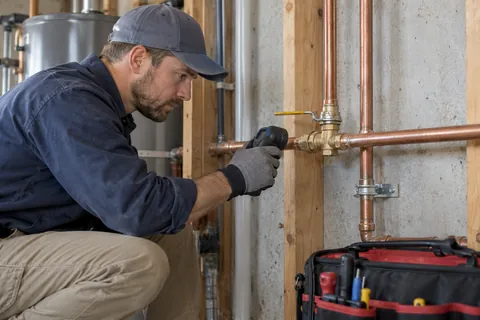
Worn connections, damaged piping, fixture leaks, and concealed equipment faults are possible sources. Stains may appear some distance from the actual leak.
How should I prepare?
Write down when moisture appears and whether it changes after a fixture runs. Share any previous repairs. Avoid opening walls or disturbing electrical equipment near wet areas.
Before you agree to the work
Finding the source comes before choosing a repair. Ask what testing can establish, what remains uncertain, and whether access openings are included in the proposal.
Does leak detection include repairing the leak?
Not always. Ask what testing and access are included, whether a repair can follow during the same visit, and who handles wall or floor restoration afterward.
How to arrange the next step
- Describe the issue, property location, and any immediate safety concern.
- Ask the provider to confirm that they handle the job at your address.
- Check the visit charge and agree on any repair before it begins.
- Keep the findings and ask what was checked when the work was finished.
For Oregon provider checks, use our license and scope guide. This website does not perform plumbing work or guarantee a provider match.
Questions about leak detection
Can a leak be found without opening a wall?
Sometimes. Available methods depend on the suspected source and building. No method guarantees that invasive access will be unnecessary.
Does a damp wall always mean a pipe leak?
No. Roof, exterior, condensation, and other moisture issues can resemble plumbing leaks.
Can a high water bill mean there is a hidden leak?
It can, but a billing change or a change in household or irrigation use may also explain the increase. Check the billing period and known usage first, then contact the water supplier or an appropriate provider about investigating unexplained use. A high bill alone does not locate or confirm a pipe leak.
Related homeowner guide
What to do when a pipe bursts — What to do first, what to tell the plumber, and how to separate the repair from water-damage work.
General service guidance · Updated 2026-10-03 · How we prepare our content