Start with the problem
Start with the pattern. A weak kitchen tap is different from every outlet losing flow, and a hot-water-only problem points to different checks from a loss of both supplies. Mention recent work or water interruptions without assuming they caused it. Testing should come before a costly recommendation to replace piping.
When to ask for help
- Weak flow at one or several taps
- Pressure falling during simultaneous use
- A sudden change in available water
What the plumber needs to check
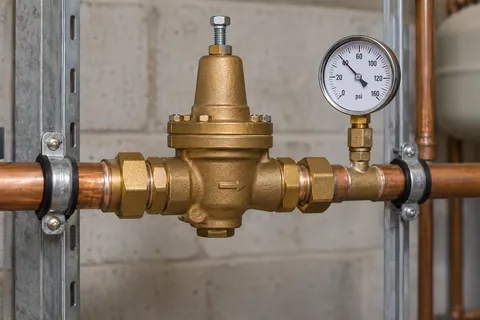
Partly closed valves, restricted fixtures, leaks, regulators, and upstream conditions can all matter. Low hot-water flow may point to a different path than low cold-water flow.
How should I prepare?
List affected outlets and whether neighbors have reported a similar issue. Note any recent plumbing work or water interruption without assuming it caused the change.
Before you agree to the work
The right repair depends on testing. Replacing a buried line or repiping a home should not be the starting assumption without findings that support it.
What can I tell the plumber without taking anything apart?
List the affected fixtures, when the change began, and whether the problem changes during simultaneous use. Mention similar reports from neighbors if you have them, without treating that as a confirmed diagnosis.
How to arrange the next step
- Describe the issue, property location, and any immediate safety concern.
- Ask the provider to confirm that they handle the job at your address.
- Check the visit charge and agree on any repair before it begins.
- Keep the findings and ask what was checked when the work was finished.
For Oregon provider checks, use our license and scope guide. This website does not perform plumbing work or guarantee a provider match.
Questions about low water pressure diagnosis
Is low flow the same as low pressure?
They are related but different. A restriction may reduce flow even when static pressure appears normal.
Should I call the utility too?
If the issue may affect the upstream supply or nearby properties, contact the water supplier as well as discussing property-side assessment.
What if low water pressure affects just one faucet?
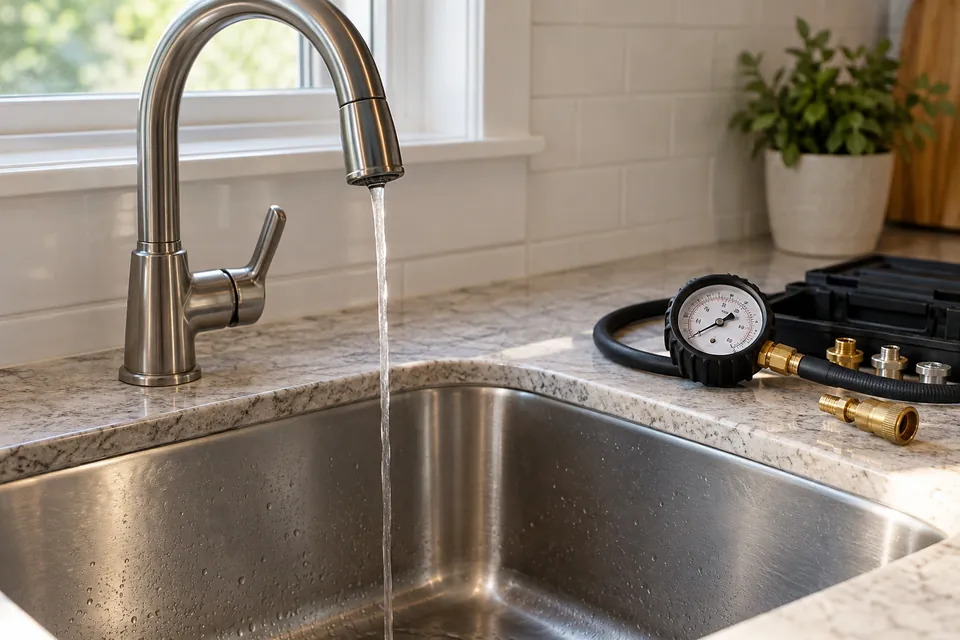
Tell the provider whether one fixture, several fixtures, or the whole property is affected, and whether the issue involves hot water, cold water, or both. That pattern helps distinguish a fixture-level restriction from a wider supply or plumbing issue. Ask for assessment before replacing a regulator or other component.
Related homeowner guide
What to do when a pipe bursts — What to do first, what to tell the plumber, and how to separate the repair from water-damage work.
General service guidance · Updated 2026-10-03 · How we prepare our content