Start with the problem
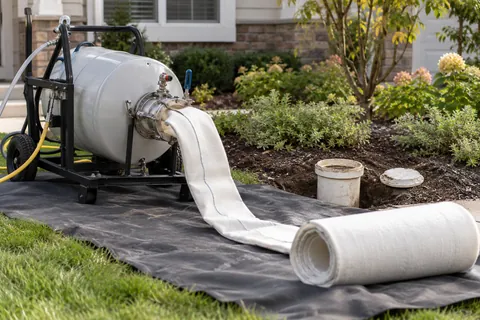
Trenchless is a broad description, not one repair that fits every sewer. The line's route, condition, and access points help determine which methods are possible. Ask the contractor to name the proposed method, explain why it suits the findings, and show where excavation or restoration is still needed.
When to ask for help
- A documented sewer defect
- Concern about excavation through finished areas
- A need to compare repair methods
What the plumber needs to check
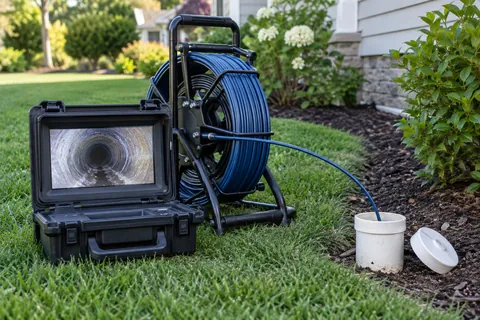
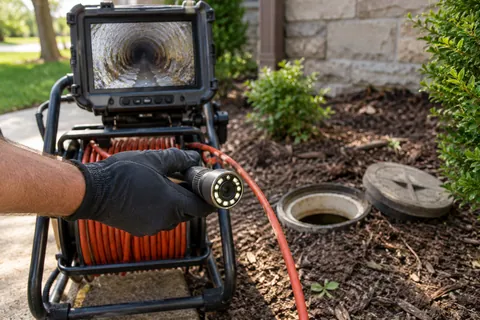
Pipe condition, alignment, diameter, access, and nearby utilities affect suitability. A collapsed or badly configured line may limit the options.
How should I prepare?
Ask which method is proposed, what access pits are needed, and what restoration remains outside the scope. Request a comparison with conventional repair.
Before you agree to the work
Evaluate the complete installed scope and resulting pipe condition. Less excavation does not mean every property or every damaged line is a candidate.
Does trenchless mean no digging at all?
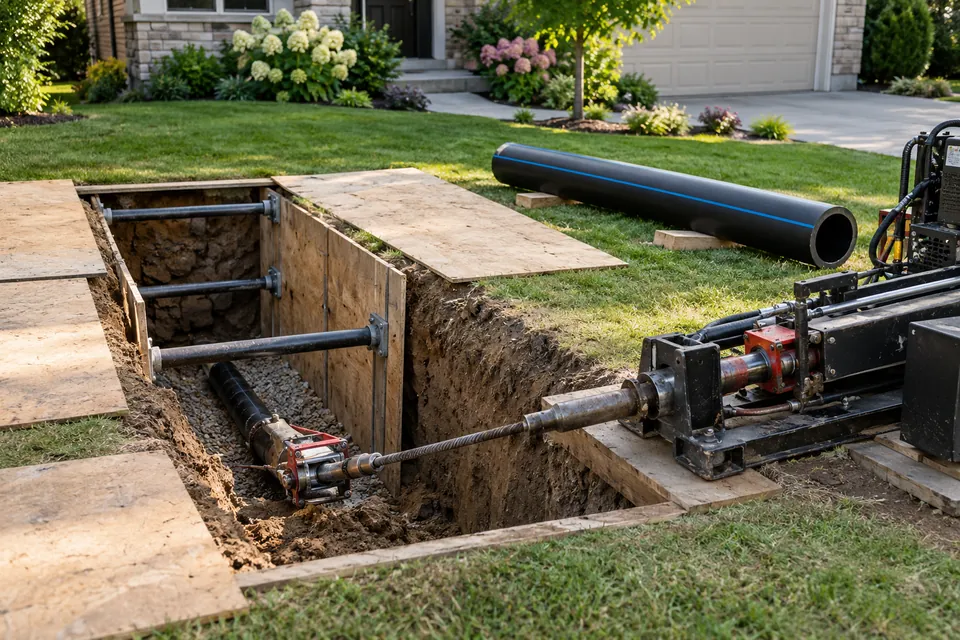
Not always. Access pits and other openings may still be needed. Ask for the planned locations and any landscaping, paving, or finish work left out of the quote.
How to arrange the next step
- Describe the issue, property location, and any immediate safety concern.
- Ask the provider to confirm that they handle the job at your address.
- Check the visit charge and agree on any repair before it begins.
- Keep the findings and ask what was checked when the work was finished.
For Oregon provider checks, use our license and scope guide. This website does not perform plumbing work or guarantee a provider match.
Questions about trenchless sewer repair
Does trenchless mean no digging?
No. Access openings or pits may still be needed. The provider should describe their exact locations and restoration responsibilities.
Can every sewer be repaired this way?
No. Inspection and site conditions determine suitability; avoid deciding from the method name alone.
Related homeowner guide
Why does the same drain keep clogging? — If the same drain blocks again, ask what the previous clearing revealed and what a closer inspection could establish.
General service guidance · Updated 2026-10-02 · How we prepare our content